About 20 ml Headspace GC Vials
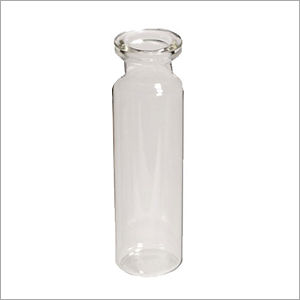
20 mL Headspace GC Vial Standard Specifications
1. Volume & Dimensions
-
Total volume: 20 mL (usable slightly less, e.g., 18 mL depending on cap/septum design)
-
Outer diameter: 22.522.75 mm
-
Height: 75 75.5 mm
-
Neck finish: ND20 (20 mm) crimp neck most common for headspace GC
2. Material
3. Bottom Style
-
Round bottom: Better for automated heating and rack handling.
-
Flat bottom: Better for manual heating/stability when placed on blocks.
Both are widely used; choice depends on autosampler type and heating method.
4. Closures & Septa
-
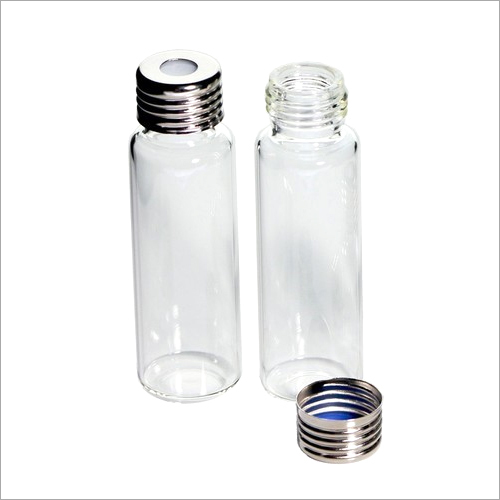
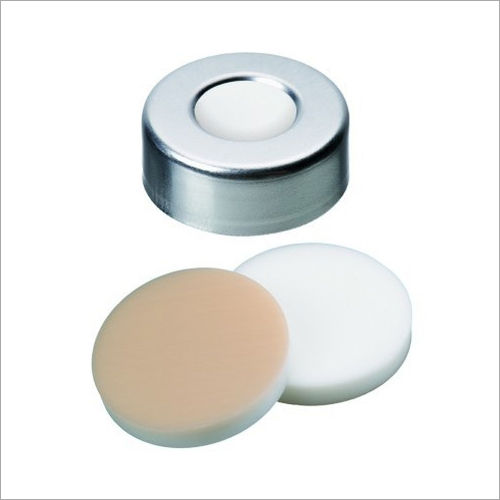
Cap type: Aluminum crimp cap (20 mm) with PTFE/silicone septa is typical.
-
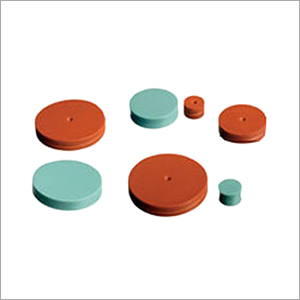
Septa: PTFE/silicone or PTFE/butyl materials; low bleed variants are preferred for GC sensitivity.
-
Sealing: Crimp-top ensures tight sealing for pressurized headspace sampling.
5. Performance Features
-
High temperature and pressure tolerance: Designed to withstand internal pressures from heating during analysis without breakage.
-
Uniform wall thickness: Ensures even heating and reproducible headspace conditions.
-
Marking spot: Many vials include a writable area for sample ID.
6. Compliance & Use
-
Compatible with most headspace GC autosamplers (Agilent, Shimadzu, PerkinElmer, etc.).
-
Often supplied in pre-packaged sets with caps/septa.
Precision-Designed Laboratory VialsEngineered for gas chromatography analysis, these 20 ml headspace vials offer a leak-proof and pressure-resistant solution for accurate sample storage. Whether for manual or automated capping, their uniform borosilicate glass surface supports consistent results in demanding laboratory settings.
Versatile and Durable ConstructionWith a temperature resistance from -40C to 125C and compatibility with most organic solvents and acids, these vials are well-suited to various analytical tasks. The inert PTFE/silicone septa combined with aluminum caps ensure excellent chemical compatibility, maintaining sample purity and stability.
Compliance and ConvenienceFully compliant with USP and ISO 9001:2015 standards, these vials come in packs of 100 and support both sterile and non-sterile operations after proper cleaning. Their reusability and robust design provide laboratories a cost-effective, reliable solution for repeated use.
FAQ's of 20 ml Headspace GC Vials:
Q: How are 20 ml Headspace GC Vials used in laboratory gas chromatography analysis?
A: These vials are designed specifically for headspace sampling in gas chromatography. Samples are placed in the vial and sealed with a PTFE/silicone septa and an aluminum cap. The headspace phase is analyzed by automated or manual samplers, ensuring accurate, contamination-free results.
Q: What cleaning procedures are recommended for reusing these vials?
A: Thorough cleaning with compatible solvents and detergents is necessary before reuse. It's advisable to rinse the vials with deionized water, use ultrasonic cleaning if possible, and ensure they are fully dried. Proper sterilization methods can also be applied if required by experiment protocols.
Q: When should I choose clear versus amber glass vials?
A: Clear glass is suitable for most laboratory applications where light sensitivity is not a concern. Amber glass is preferred when handling samples that may degrade upon exposure to light, as it provides additional protection from UV and visible light.
Q: Where can these vials be stored, and at what conditions?
A: These vials are ideally stored at ambient room temperature or under refrigerated conditions, depending on the sample requirements. Their glass construction ensures stability, but always follow your laboratory's guidelines for sample storage.
Q: What benefits do PTFE/silicone septa and aluminum caps provide?
A: PTFE/silicone septa offer high chemical resistance and maintain sample integrity, while the aluminum cap ensures a robust, leak-proof seal that withstands pressure changes during headspace sampling. This combination is inert and avoids contamination of samples.
Q: How does the vial's compatibility with automated and manual capping enhance laboratory workflow?
A: Being compatible with both automated and manual capping systems, these vials streamline sample processing, saving time for high-throughput laboratories and ensuring versatility for facilities with varied equipment.
Q: What standards do these headspace vials meet, and why is compliance important?
A: These vials comply with USP and ISO 9001:2015 standards, which guarantees consistent manufacturing quality and suitability for critical analytical and regulatory laboratory environments.

 Send Inquiry




 Send Inquiry

 Send Inquiry