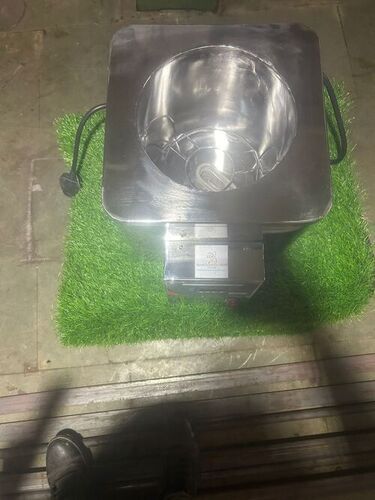
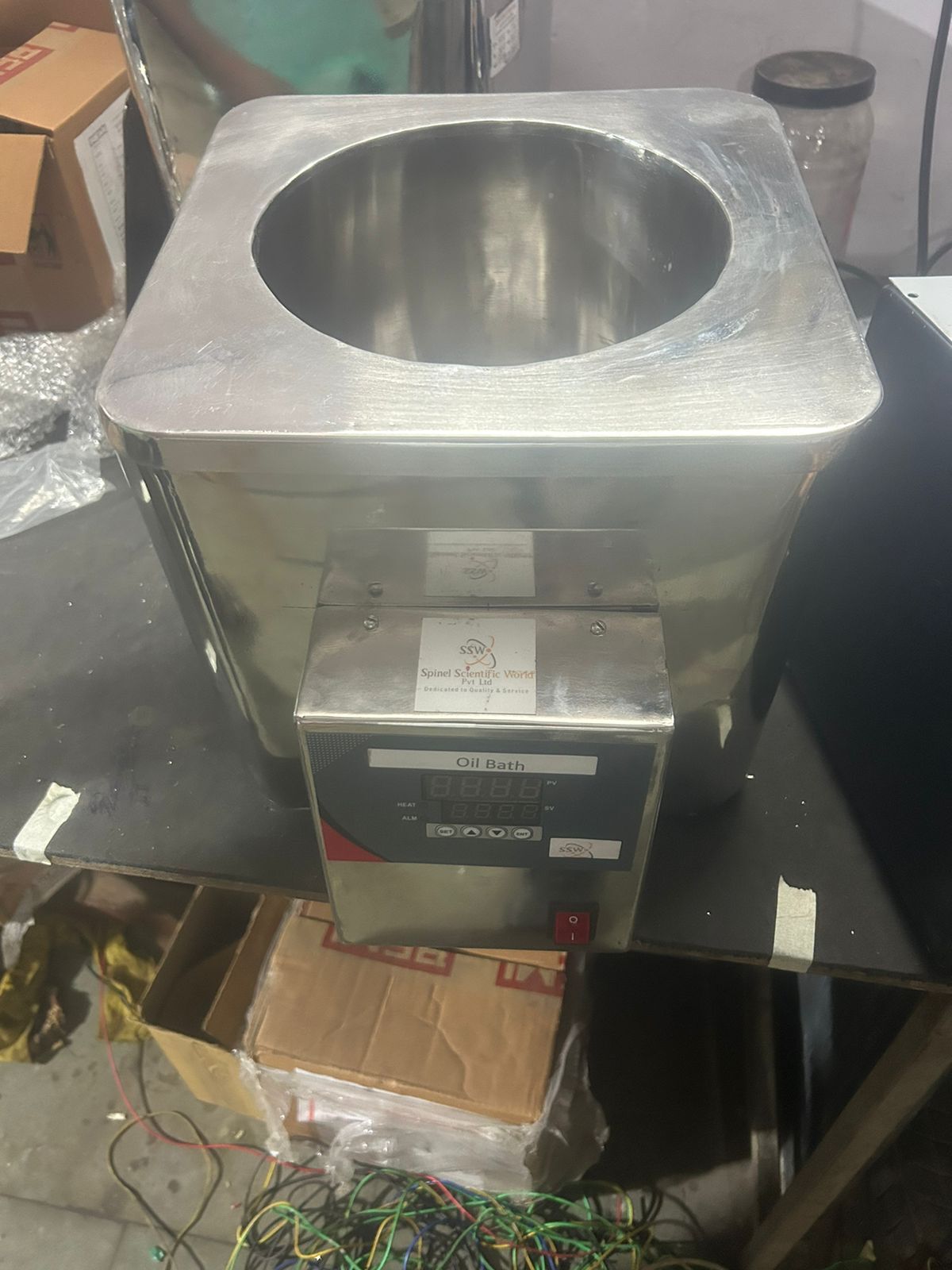
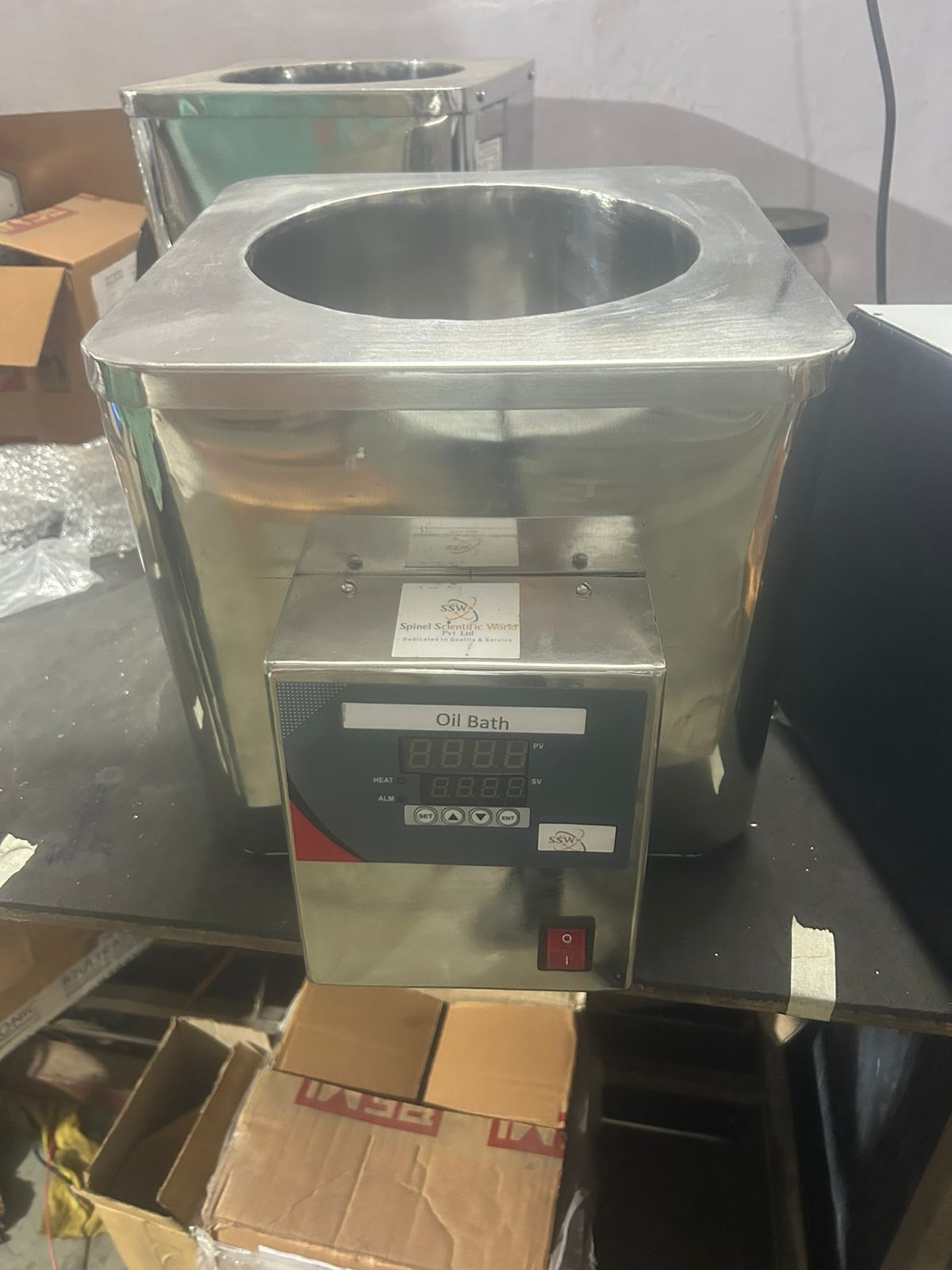
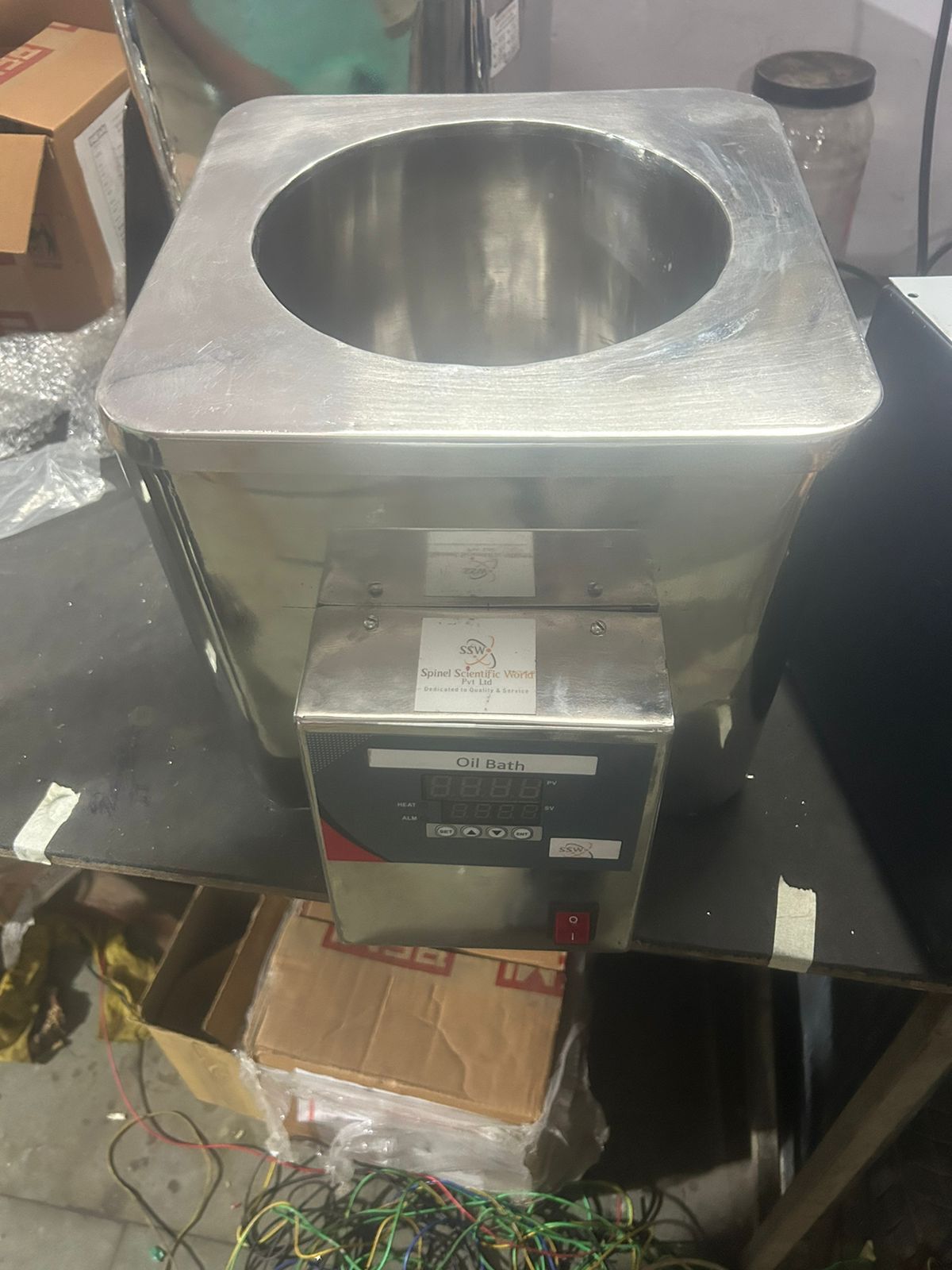
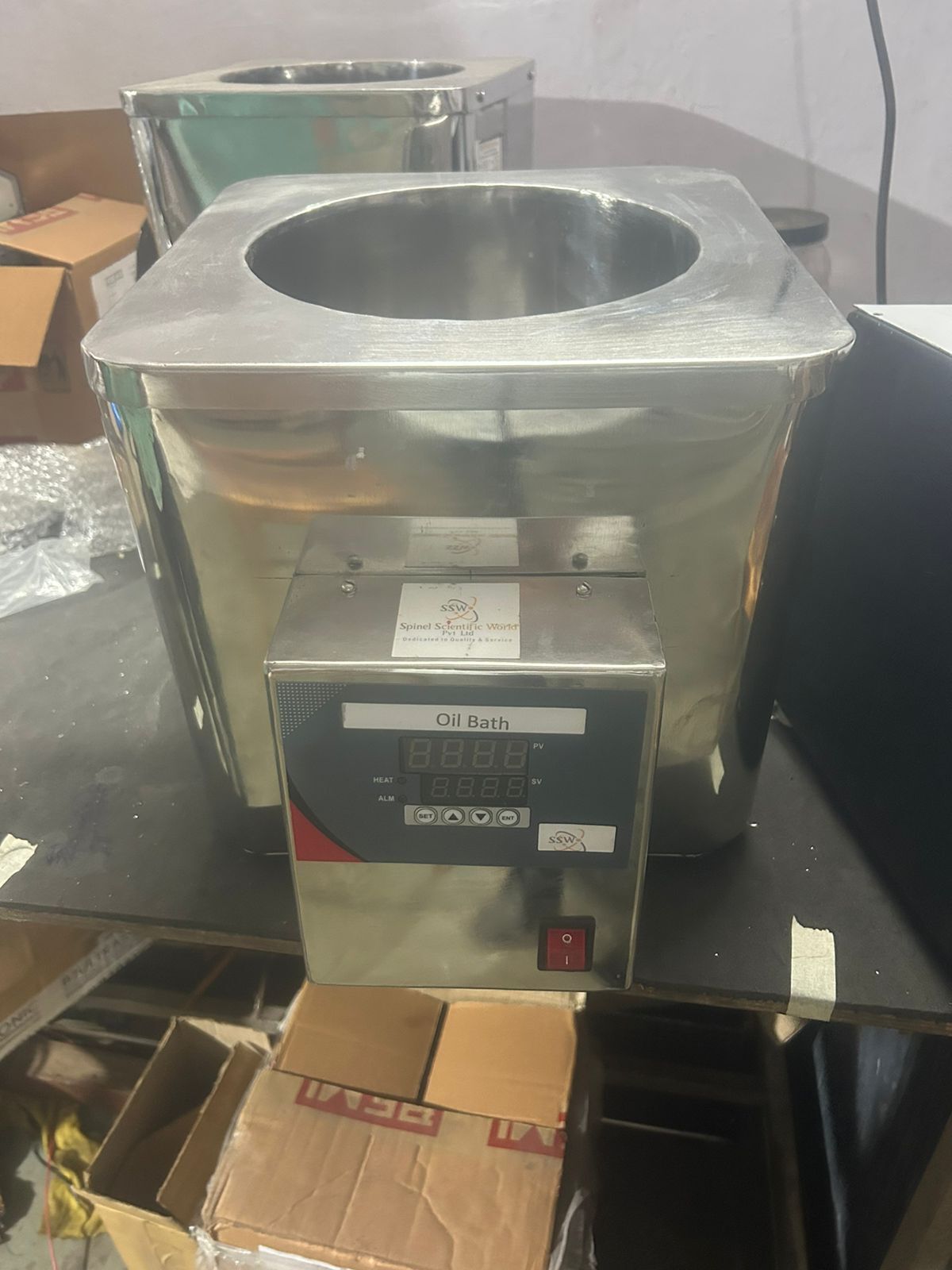
A high-temperature oil bath is a controlled heating system that uses heat-transfer oil to maintain stable and uniform elevated temperatures for samples, reactions, or components. They are widely used in chemical laboratories, research institutes, pharmaceutical testing, petroleum and materials testing where temperatures above the boiling point of water (100 C) are needed.
Technical Specifications
Temperature Range
-
Room temperature (RT) up to 250 C 300 C in many standard models.
-
Some industrial variants are specified from 50 C up to 260 C.
-
Actual highest temperature depends on the oil type and equipment design. (Oils with too low flash points are unsafe at high temperature).
Temperature Control & Accuracy
-
Digital PID control with LED or LCD display for precise setting.
-
Typical control accuracy: 0.1 C to 1 C depending on model.
-
Advanced units may offer temperature uniformity and resolution metrics (0.03 C, 0.05 C, etc.)
Capacity & Size
Oil baths are available in a range of capacities:
-
Benchtop small lab units: 5 L 30 L.
-
Mid-size lab units: 30 L 50 L.
-
Larger industrial units also exist (100 L+)
Dimensions, chamber sizes, and working area depend on model.
Circulation & Heating
-
Internal or external circulating pump ensures even temperature distribution.
-
Pump flow rates often 8 L/min.
-
Heating elements may be integrated into walls or base.
Construction & Materials
-
Inner tank: corrosion-resistant SS-304 stainless steel.
-
Outer shell: mild steel with powder coating and insulation reduce heat loss.
-
Double-walled design improves safety and thermal efficiency.
Electrical & Power
Performance Metrics
| Parameter |
Typical Range |
| Temperature control |
RT to 250300 C |
| Temp accuracy |
0.1 1 C |
| Uniformity |
0.03 0.2 C |
| Pump flow rate |
8 L/min |
| Power |
1 kW 9 kW |
Applications
High-temperature oil baths are used for:
-
Chemical reactions requiring stable heat above 100 C.
-
Viscosity and oxidation testing of oils and lubricants.
-
Material processing and testing.
-
Extraction, distillation, and biological sample preparation.

 Send Inquiry



 Send Inquiry

 Send Inquiry