About Vacuum Oven
Vacuum Oven Specifications
1. Chamber Size / Volume
2. Temperature Range
-
Indicates the lowest to highest temperature it can reliably reach.
-
Typical lab ovens: Ambient +5 C up to 200 C250 C.
-
High-temperature specialist units can go above this depending on application.
3. Temperature Accuracy & Stability
4. Vacuum Level / Pressure
5. Materials & Construction
-
Inner chamber: Stainless steel (SS304 or SS316) to resist corrosion.
-
Exterior: Powder-coated steel for durability.
-
Insulation: Glass wool or mineral wool to help maintain temperatures.
6. Controls & Display
-
Digital PID controllers are common for precise temperature & timing.
-
Features may include timers, alarms, data logging, and PC interfaces.
7. Shelving
8. Power Requirements
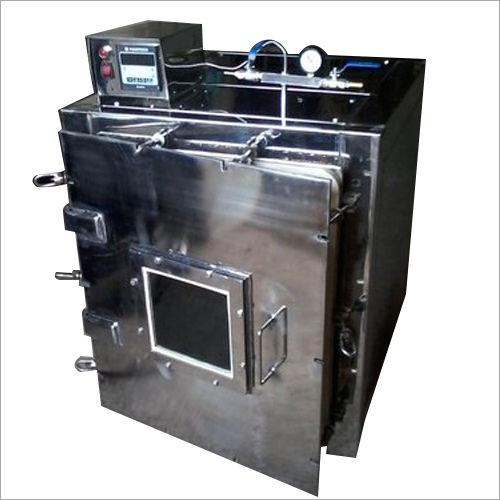
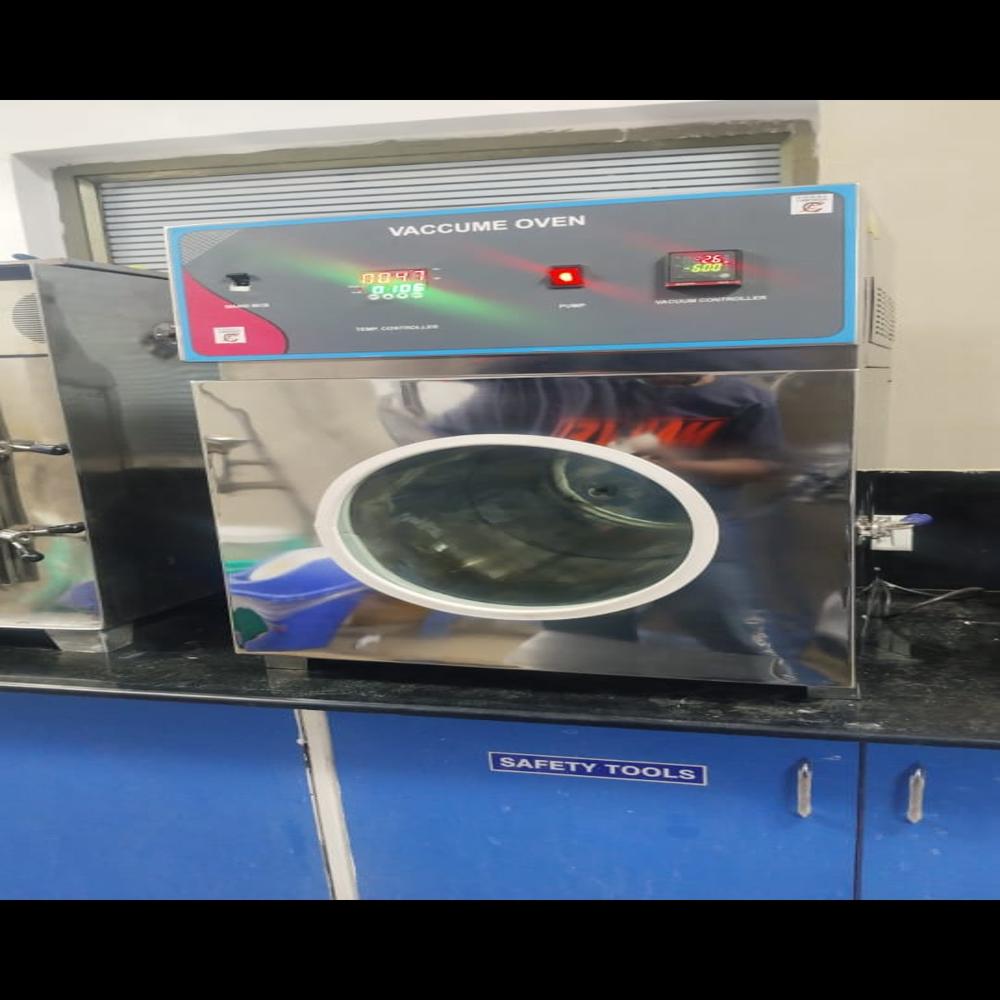
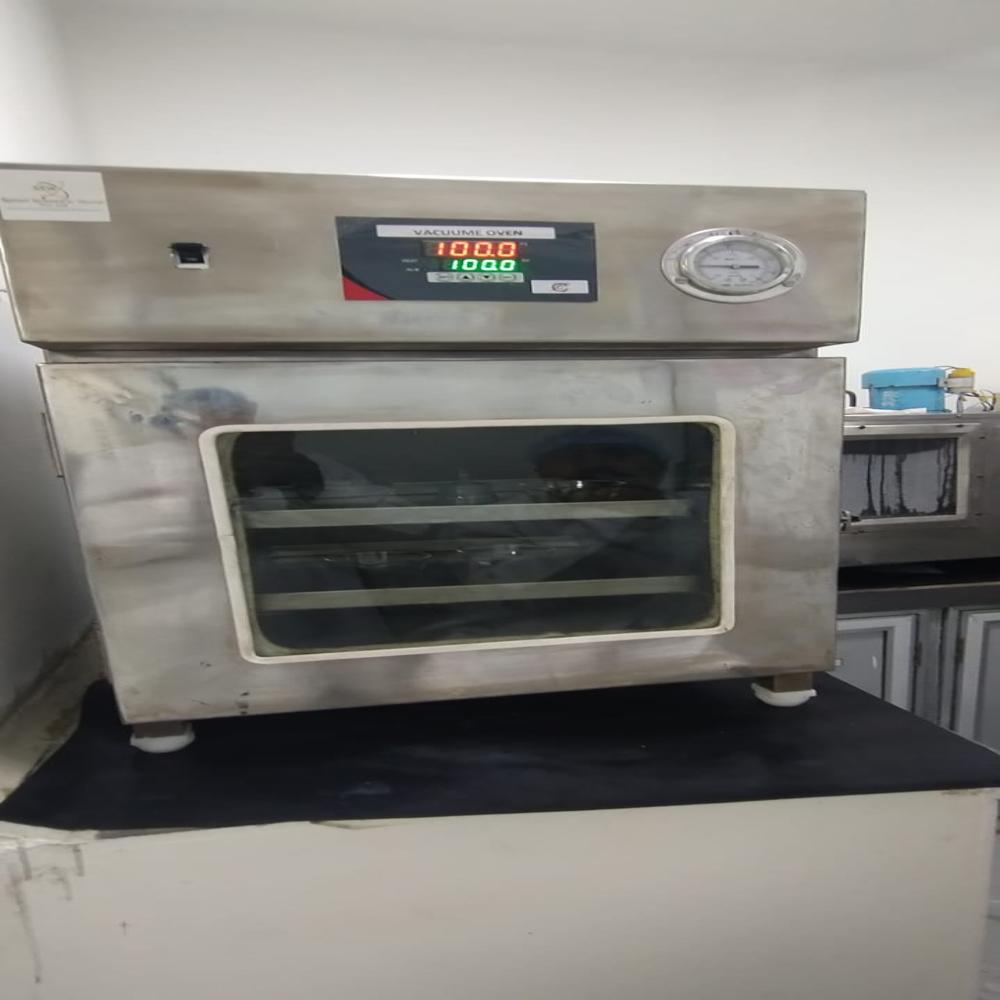
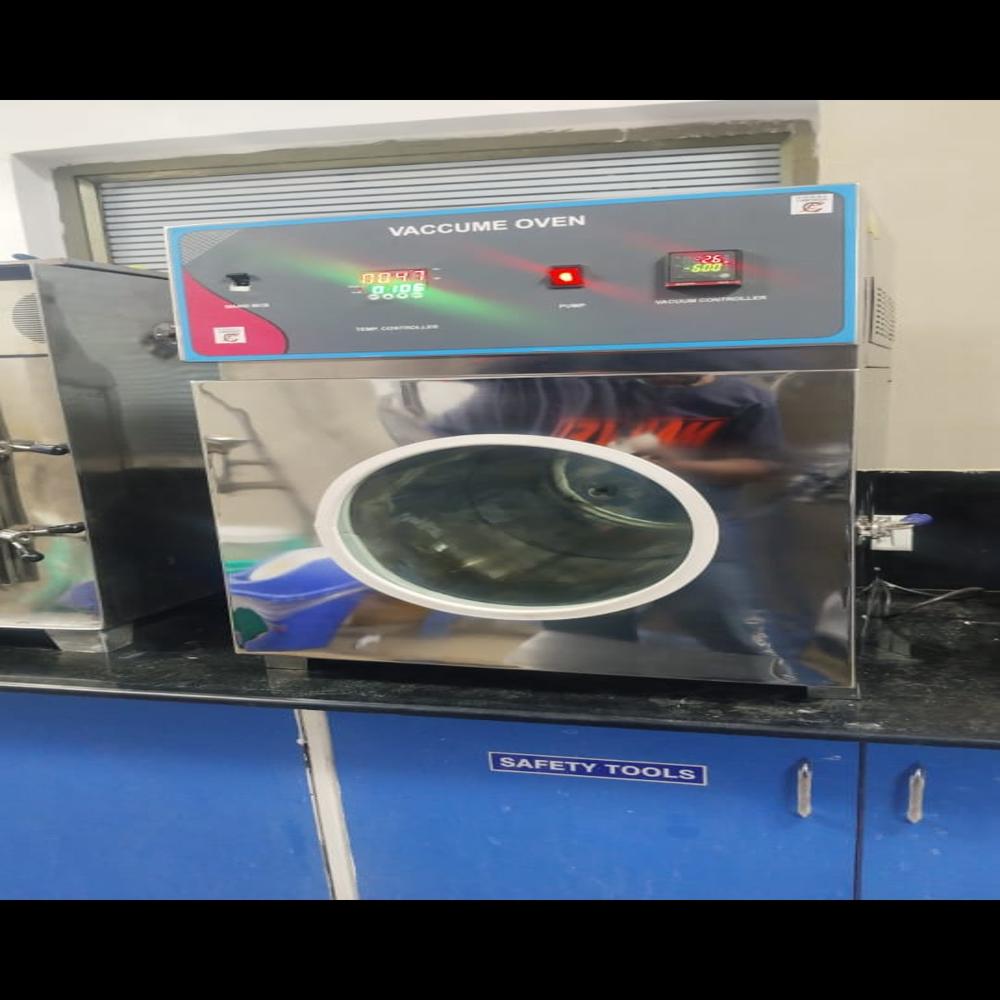
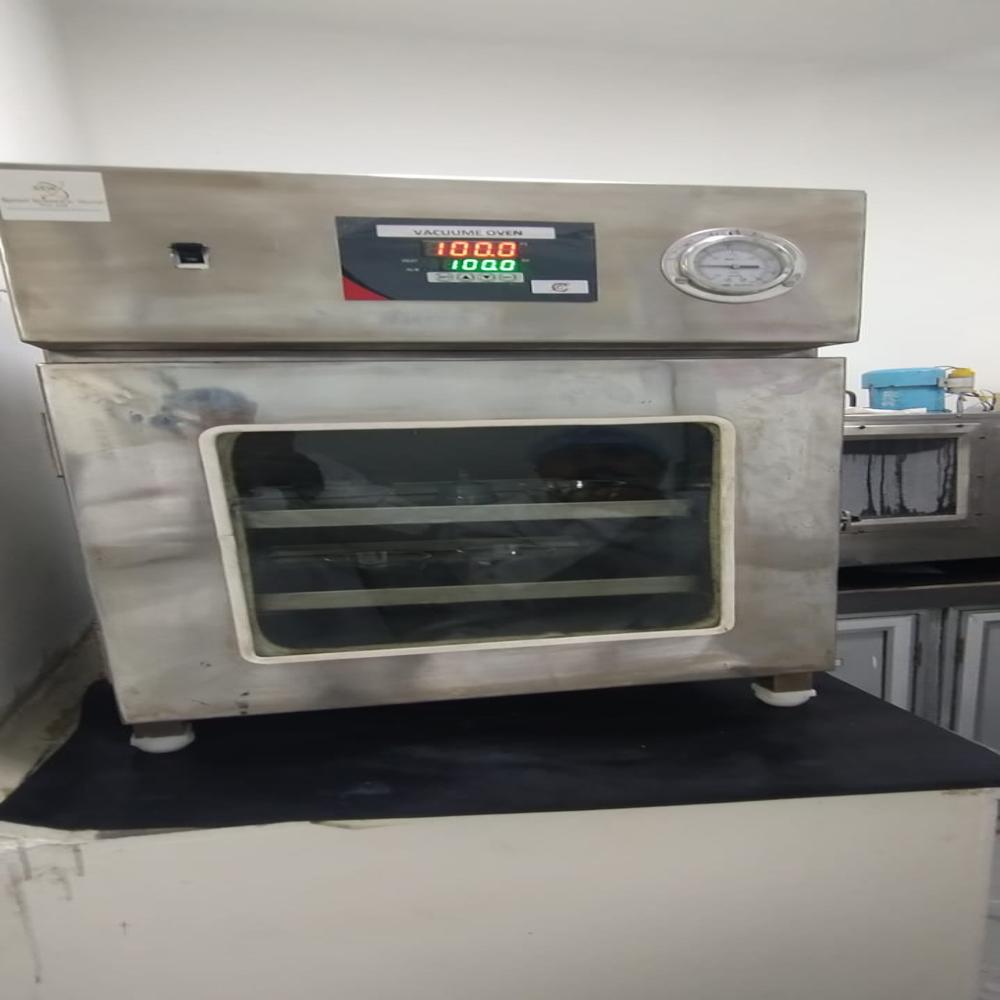
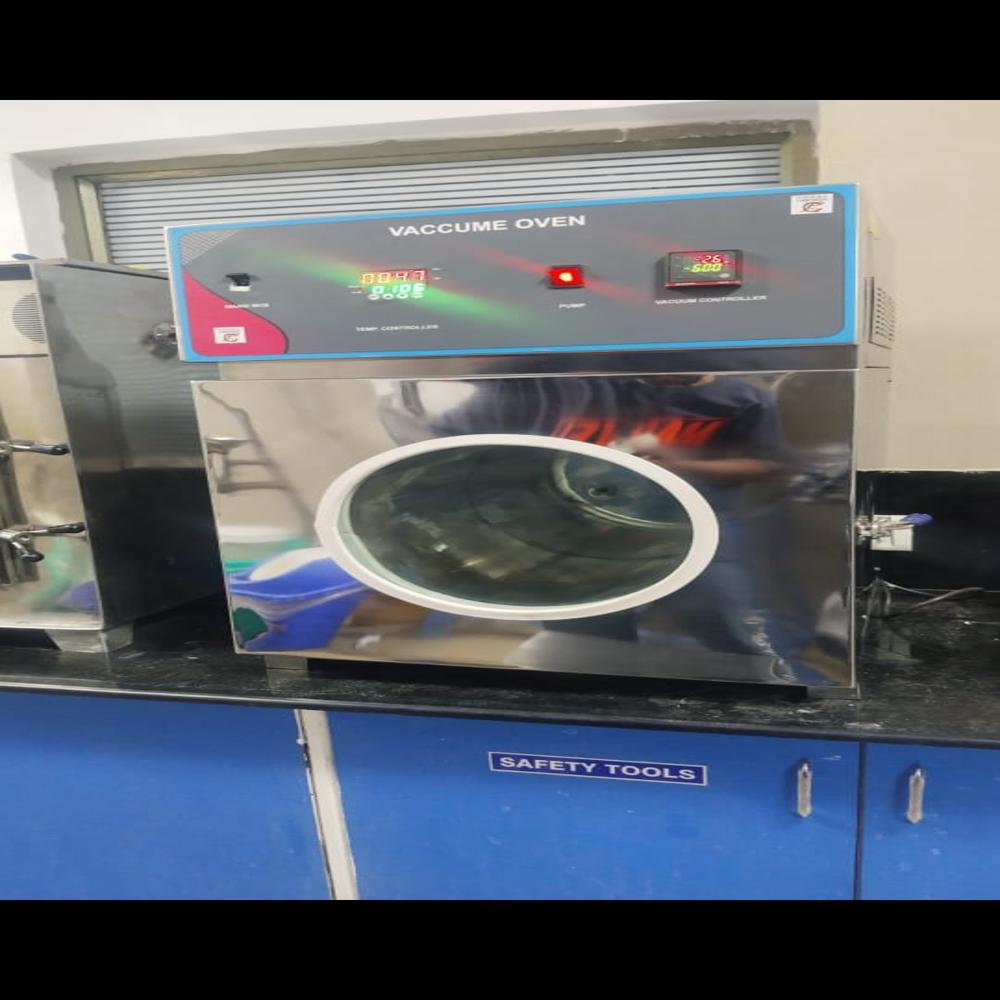
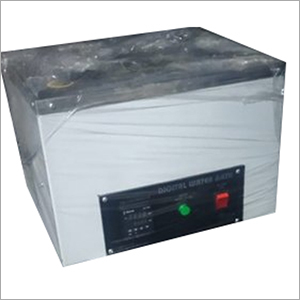
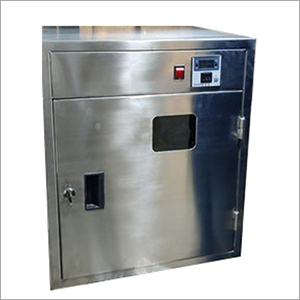
Exceptional Temperature Control and Build QualityConstructed from premium stainless steel, our Vacuum Oven ensures durability and resistance to corrosion. With precise temperature settings and advanced vacuum technology, this oven is an ideal choice for critical laboratory and industrial procedures. The silver exterior combines aesthetics with functionality, enhancing any workspace.
Versatile Application Across IndustriesThis Vacuum Oven is perfect for processes such as drying, curing, and degassing in both research and industrial settings. Available in capacities ranging from 12 to 250 liters, it caters to diverse operational needs, making it suitable for laboratories, pharmaceuticals, and electronics industries.
FAQ's of Vacuum Oven:
Q: How does the vacuum oven operate and what is its primary use?
A: The vacuum oven operates by creating a low-pressure environment, which lowers the boiling point of liquids and accelerates drying at lower temperatures. This is particularly useful for heat-sensitive materials and is commonly used for drying, curing, and heat treatment in laboratories and industrial settings.
Q: What is the typical process for using this vacuum oven?
A: To use the vacuum oven, place your samples inside the chamber, set the desired temperature and vacuum level, and then initiate the process. The oven maintains a low-pressure environment while precisely controlling the temperature, ensuring gentle and efficient drying or curing without thermal damage.
Q: What are the main benefits of using a stainless steel vacuum oven?
A: Stainless steel construction provides excellent durability, resistance to rust and contamination, and allows for easy cleaning. This ensures the oven remains reliable over extended use, making it suitable for industries requiring stringent hygiene and performance standards.
Q: Where can this vacuum oven be installed or used?
A: The oven can be installed in laboratories, research institutions, pharmaceutical manufacturing units, and industrial plants where processes like drying, curing, and heat-sensitive material treatment are required. It is suitable for both small and large-scale applications, thanks to its wide range of capacity options.
Q: Who can benefit from using this vacuum oven?
A: Researchers, laboratory technicians, production managers, and quality control experts in industries such as biotechnology, pharmaceuticals, and electronics can benefit from the oven's precise control and efficient performance. The oven helps deliver consistent results for sensitive or valuable materials.
Q: When is it recommended to use a vacuum oven instead of a conventional oven?
A: Vacuum ovens are recommended when working with materials that are sensitive to heat or could be degraded by oxidation at higher temperatures. They're essential for drying delicate substances, heat-sensitive chemicals, and in processes where contamination or combustion must be avoided.
Q: What power requirements are necessary for this vacuum oven?
A: The oven requires a standard 220-volt power supply, making it suitable for most laboratory and industrial environments in India. Ensure the electrical connection meets these requirements for optimal and safe operation.

 Send Inquiry



 Send Inquiry

 Send Inquiry